
[Maritime PLATFORM]
Shipnet Maritime Software
The Integrated Maritime Platform for Connected Fleet Operations
[Maritime PLATFORM]
Shipnet Maritime Software
The Integrated Maritime Platform for Connected Fleet Operations

A vessel does not pause because information is trapped between departments.
Charter performance, maintenance planning, procurement approvals, compliance reporting and financial management all depend on operational information moving clearly across the organisation. Yet many shipping companies still manage these responsibilities across disconnected systems, spreadsheets and manual workflows.
Shipnet ONE brings these operational disciplines together within one integrated maritime platform - built specifically for how shipping companies actually operate across ship and shore.
A vessel does not fail because a task was missed in isolation.
Shipnet ONE helps maritime organisations fragmented systems with connected operational visibility across the fleet.
Developed alongside ship owners and operators and refined through decades of real operational use, with more than 150 shipping companies across 31 countries relying on Shipnet to support daily operations, reporting, and decision-making across commercial, technical, and financial teams.
Request a personalised demo
or explore how Shipnet ONE supports connected maritime operations
Fleet operations are inherently connected
Shipping Already Operates as One Connected System
A voyage plan affects maintenance schedules. Procurement decisions influence operational readiness. Technical performance impacts commercial availability and financial reporting. Compliance depends on accurate information flowing consistently between ship and shore. But in many organisations, the systems supporting these activities still operate independently.
Commercial teams work in one environment. Technical departments manage another. Finance teams reconcile information afterwards. Reporting becomes delayed, duplicated and increasingly difficult to trust.
When systems drift, pressure builds
Over time, this creates familiar operational pressure across the business:
- Commercial and operational data gradually drifting apart
- Maintenance decisions made without clear cost visibility
- Procurement workflows disconnected from approvals and budgets
- Reporting delays caused by manual reconciliation
- Compliance risk increased by inconsistent information
- Leadership teams struggling to gain a reliable operational picture
Shipping itself operates continuously. When systems become fragmented, operational clarity is lost.
Shipnet ONE was built to solve this problem.
Shipping Already Operates as One Connected System
A voyage plan affects maintenance schedules. Procurement decisions influence operational readiness. Technical performance impacts commercial availability and financial reporting. Compliance depends on accurate information flowing consistently between ship and shore. But in many organisations, the systems supporting these activities still operate independently.
Commercial teams work in one environment. Technical departments manage another. Finance teams reconcile information afterwards. Reporting becomes delayed, duplicated and increasingly difficult to trust.
Shipping Already Operates as One Connected System
A voyage plan affects maintenance schedules. Procurement decisions influence operational readiness. Technical performance impacts commercial availability and financial reporting. Compliance depends on accurate information flowing consistently between ship and shore. But in many organisations, the systems supporting these activities still operate independently.
Commercial teams work in one environment. Technical departments manage another. Finance teams reconcile information afterwards. Reporting becomes delayed, duplicated and increasingly difficult to trust.
When systems drift, pressure builds
Over time, this creates familiar operational pressure across the business:
- Commercial and operational data gradually drifting apart
- Maintenance decisions made without clear cost visibility
- Procurement workflows disconnected from approvals and budgets
- Reporting delays caused by manual reconciliation
- Compliance risk increased by inconsistent information
- Leadership teams struggling to gain a reliable operational picture
Shipping itself operates continuously. When systems become fragmented, operational clarity is lost.
Shipnet ONE was built to solve this problem.
Traditional ERP software was not designed for shipping
Generic enterprise platforms struggle to reflect voyage-based accounting, vessel operations, multi-company ownership structures, regulatory complexity and the realities of ship-to-shore collaboration.
At the same time, standalone maritime tools often solve individual operational challenges while creating new silos elsewhere across the business.
The Shipnet platform takes a different approach
The platform connects commercial, technical, procurement, compliance and financial workflows within one integrated maritime environment — allowing operational and financial information to move naturally across the organisation.
This creates a clearer operational picture across fleet operations:
- Commercial activity reflects live operational performance
- Technical teams understand operational and financial impact before decisions are made
- Procurement workflows remain aligned with budgets and approvals
- Financial reporting reflects real fleet activity rather than delayed reconciliation
- Ship and shore teams work from the same operational understanding
Integration becomes more than connecting software. It becomes operational visibility across the business.
A Maritime ERP Platform Built Around Operational Reality
Traditional ERP software was not designed for shipping
Generic enterprise platforms struggle to reflect voyage-based accounting, vessel operations, multi-company ownership structures, regulatory complexity and the realities of ship-to-shore collaboration.
At the same time, standalone maritime tools often solve individual operational challenges while creating new silos elsewhere across the business.
The Shipnet platform takes a different approach
The platform connects commercial, technical, procurement, compliance and financial workflows within one integrated maritime environment — allowing operational and financial information to move naturally across the organisation.
This creates a clearer operational picture across fleet operations:
- Commercial activity reflects live operational performance
- Technical teams understand operational and financial impact before decisions are made
- Procurement workflows remain aligned with budgets and approvals
- Financial reporting reflects real fleet activity rather than delayed reconciliation
- Ship and shore teams work from the same operational understanding
Integration becomes more than connecting software. It becomes operational visibility across the business.
Traditional ERP software was not designed for shipping
Generic enterprise platforms struggle to reflect voyage-based accounting, vessel operations, multi-company ownership structures, regulatory complexity and the realities of ship-to-shore collaboration.
At the same time, standalone maritime tools often solve individual operational challenges while creating new silos elsewhere across the business.
The Shipnet platform
takes a different approach
The platform connects commercial, technical, procurement, compliance and financial workflows within one integrated maritime environment — allowing operational and financial information to move naturally across the organisation.
This creates a clearer operational picture across fleet operations:
- Commercial activity reflects live operational performance
- Technical teams understand operational and financial impact before decisions are made
- Procurement workflows remain aligned with budgets and approvals
- Financial reporting reflects real fleet activity rather than delayed reconciliation
- Ship and shore teams work from the same operational understanding
Integration becomes more than connecting software. It becomes operational visibility across the business.
One Connected Platform Across Fleet Operations
Fleet operations do not happen in isolated modules. They happen continuously across voyages, maintenance cycles, procurement activity, compliance processes and financial reporting.
Shipnet ONE supports these workflows within one connected maritime platform.
Commercial Management
Manage voyage planning, chartering activity and operational performance using connected commercial and operational information.
Maintain visibility between planned and actual performance while improving coordination between commercial and operational teams.
Technical Management
Support planned maintenance, defect management and asset lifecycle control with accurate operational and financial visibility.
Make informed maintenance decisions with clearer understanding of cost, resources and operational impact.
Procurement & Logistics
Coordinate purchasing, approvals, inventory and supply chain workflows within the same operational environment.
Keep procurement activity connected to operational priorities, budgets and vessel requirements without relying on disconnected systems and spreadsheets.
Safety & Compliance
Support structured safety management, incident reporting and regulatory compliance across the fleet using shared operational information and consistent documentation workflows.
Financial Management
Handle complex maritime accounting requirements including multi-company structures, multi-currency operations and fleet-wide financial reporting within a maritime-native financial environment.
Dry Docking
Plan and execute complex dry docking projects using integrated technical, procurement and financial information from the start of the project lifecycle.
Analytics & Operational Insights
Access real-time dashboards and operational visibility across fleet performance, financial activity and operational trends using live operational data across the platform.
Every operational area contributes to the same connected operational picture — improving visibility, reducing reconciliation effort and supporting better decision-making across the organisation.
Built Around How Shipping Companies Actually Work
The Shipnet suite was developed by people with firsthand maritime experience.
The Shipnet suite was developed by people with firsthand maritime experience.
Refined through long-term collaboration with shipping companies operating globally.
That operational understanding shapes how the platform works.
Rather than forcing organisations into rigid ERP structures designed for other industries, Shipnet ONE adapts to real maritime operational workflows across commercial, technical, and financial teams.
Shared Operational Visibility
Ship and shore teams work from the same operational information, reducing duplication while improving coordination and accountability across departments.
Operational Fit Without Excess Complexity
The platform supports existing operational structures while remaining configurable as organisational responsibilities evolve over time.
Stable Foundations for Long-Term Operations
Shipping companies need systems they can rely on operationally and commercially over the long term.
Shipnet ONE continues to evolve through continuous development, practical innovation and integration capabilities - without disrupting stable operational foundations.
Shared Operational Visibility
Ship and shore teams work from the same operational information, reducing duplication while improving coordination and accountability across departments.
Shared Operational Visibility
Ship and shore teams work from the same operational information, reducing duplication while improving coordination and accountability across departments.
Operational Fit Without Excess Complexity
The platform supports existing operational structures while remaining configurable as organisational responsibilities evolve over time.
Stable Foundations for Long-Term Operations
Shipping companies need systems they can rely on operationally and commercially over the long term.
Shipnet ONE continues to evolve through continuous development, practical innovation and integration capabilities - without disrupting stable operational foundations.
Technology that Supports Operational Continuity
Technology that Supports Operational Continuity
Technology that Supports Operational Continuity
Shipping continues to evolve through changing regulations, digital workflows, and increasing operational expectations.
Shipnet Software evolves with it.
Open architecture and ongoing development allow organisations to introduce new capabilities and technologies while maintaining continuity across core operational systems.
Technology should support operational reliability - not compromise it.
[Supporting Teams]
Across Ship and Shore
Different operational teams require different perspectives, but they still depend on the same underlying operational reality.
Shipnet helps organisations maintain shared operational visibility across the business.
Commercial teams gain confidence in voyage and charter performance.
Technical managers make maintenance decisions with clearer operational and financial context.
Procurement teams maintain alignment between vessel requirements, approvals and budgets.
Finance departments reduce reconciliation effort and improve reporting consistency.
Leadership teams gain clearer visibility across operational and business performance throughout the fleet.
When operational information flows naturally across departments, organisations spend less time managing systems and more time improving operations.
Proven Across Global Maritime Operations
Today, more than 150 companies across 31 countries rely on Shipnet to support fleet operations across commercial, technical, safety and financial disciplines.
From specialist operators to global shipping groups, Shipnet Maritime Software continues to support organisations operating within demanding and highly complex maritime environments.
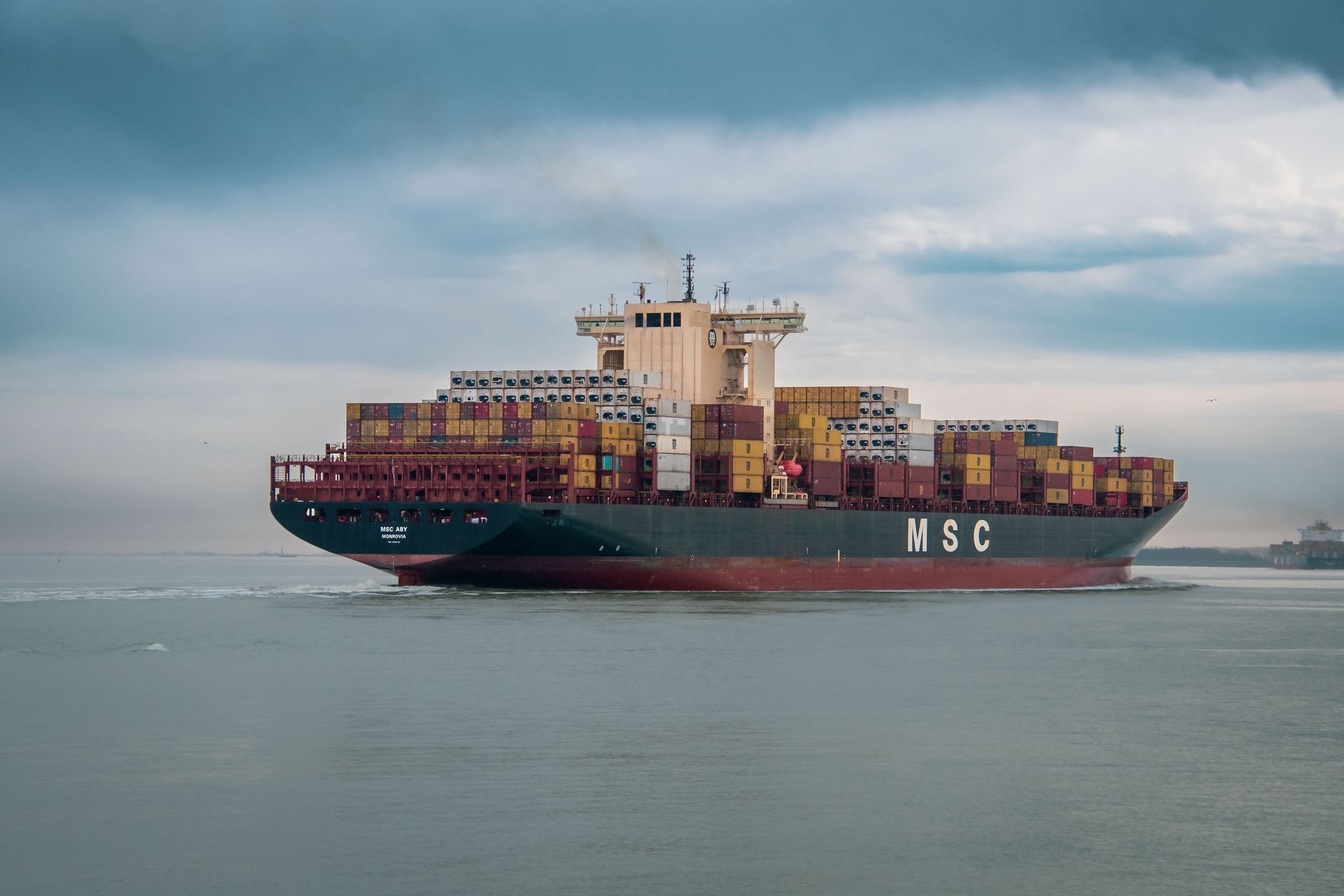
“Shipnet's software creates personnel accountability, showing live data for all to see. This transparency makes us a more efficient business.”
Captain Joshi
MOL Tankship Management
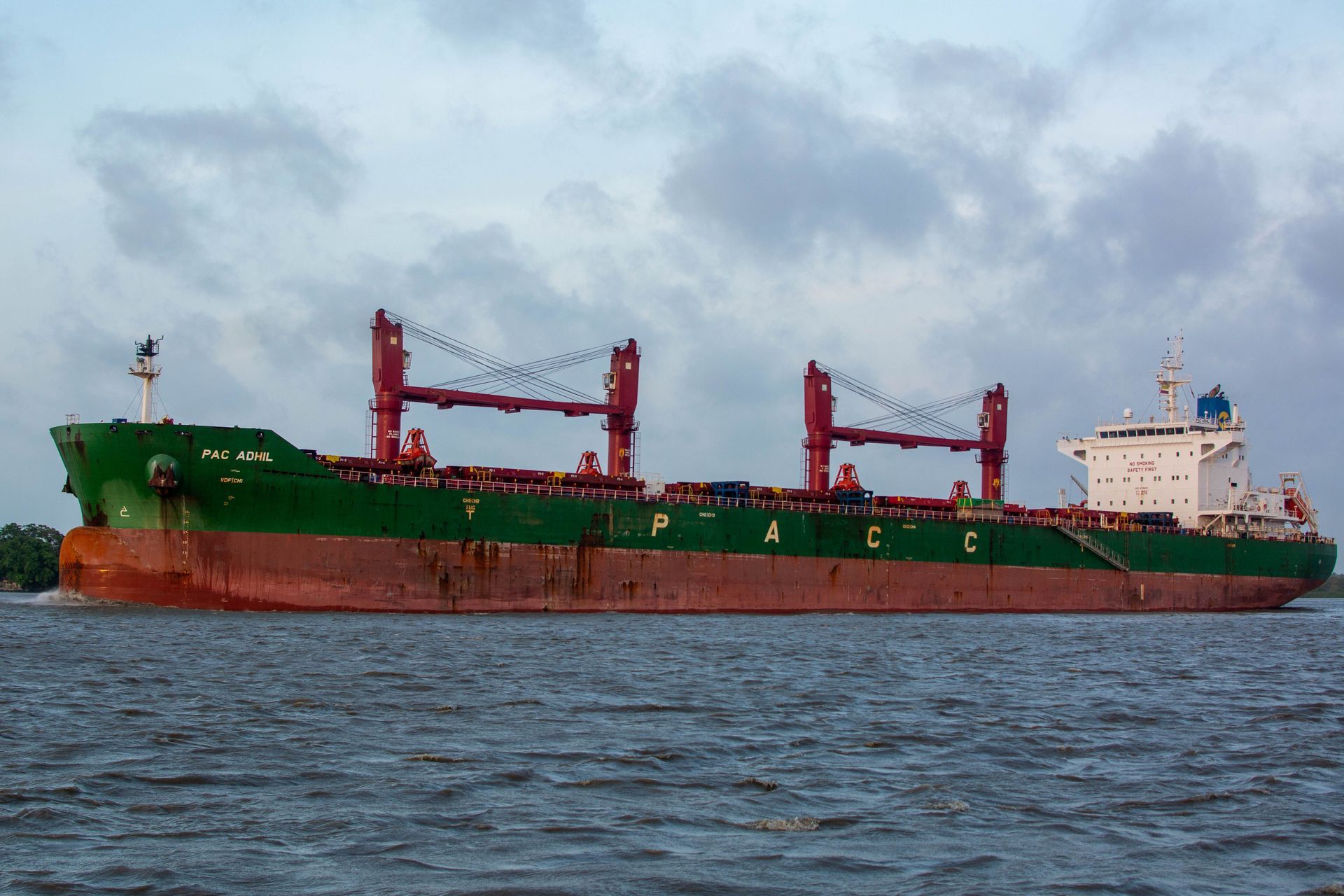
"Shipnet has greatly increased our operational efficiency and provided a platform enabling seamless data flow between departments, which is of paramount importance to us"
Deniz Mazman
Med Brokerage
Frequently Asked Questions
When information flows across the organisation, decision-making becomes simpler.
What is Shipnet ONE?
Shipnet ONE is an integrated maritime platform designed to connect commercial, technical, procurement, safety and financial operations across ship and shore. It helps shipping companies manage core fleet workflows within one connected operational environment rather than relying on disconnected systems and spreadsheets.
Is Shipnet One a Maritime ERP system?
Yes. Shipnet ONE provides maritime ERP capabilities built specifically around the operational and financial requirements of shipping companies. Unlike generic ERP systems, it supports maritime-specific workflows including vessel operations, voyage management, planned maintenance, procurement, compliance and complex fleet accounting.
Frequently
Asked Questions
When information flows across the organisation, decision-making becomes simpler.

What is Shipnet ONE?
Shipnet ONE is an integrated maritime platform designed to connect commercial, technical, procurement, safety and financial operations across ship and shore. It helps shipping companies manage core fleet workflows within one connected operational environment rather than relying on disconnected systems and spreadsheets.
Is Shipnet One a Maritime ERP system?
Yes. Shipnet ONE provides maritime ERP capabilities built specifically around the operational and financial requirements of shipping companies. Unlike generic ERP systems, it supports maritime-specific workflows including vessel operations, voyage management, planned maintenance, procurement, compliance and complex fleet accounting.
Commercial decisions are made with greater context.
Voyage performance is clearer from estimate to completion.
Who is Shipnet ONE designed for?
Shipnet ONE is designed for ship owners, operators and ship management companies that need greater visibility and coordination across fleet operations. It supports organisations managing multiple vessels, departments, companies and operational workflows across both ship and shore.
What areas of fleet operations can Shipnet ONE support?
Yes. Shipnet ONE provides maritime ERP capabilities built specifically around the operational and financial requirements of shipping companies. Unlike generic ERP systems, it supports maritime-specific workflows including vessel operations, voyage management, planned maintenance, procurement, compliance and complex fleet accounting.
Can Shipnet ONE replace multiple disconnected maritime systems?
Shipnet ONE can help organisations consolidate workflows currently managed across separate systems, spreadsheets and manual processes. The exact approach depends on the organisation's existing technology environment, operational requirements and integration needs.
See Shipnet One in Practice
Discover how Shipnet ONE helps shipping companies replace fragmented systems with connected operational visibility across fleet operations.